
Sep . 22, 2024 20:30 Back to list
diaphragm seal differential pressure gauge exporter
Understanding Diaphragm Seal Differential Pressure Gauges A Comprehensive Overview
Diaphragm seal differential pressure gauges are essential instruments used in various industrial processes to monitor and measure pressure differences between two points. These devices are crucial in ensuring the safety, efficiency, and reliability of operations in sectors like oil and gas, chemical processing, food and beverage, and pharmaceuticals. In this article, we will explore the significance of diaphragm seal differential pressure gauges, their functionality, applications, and the reasons behind the growing demand from exporters.
What is a Diaphragm Seal Differential Pressure Gauge?
A diaphragm seal differential pressure gauge consists of two main components a diaphragm seal and a differential pressure gauge. The diaphragm seal acts as a barrier between the measuring instrument and the process fluid, preventing contamination and protecting the gauge from extreme temperatures, corrosive substances, and high pressures. The differential pressure gauge then measures the difference in pressure on either side of the diaphragm, providing accurate readings essential for process control.
How Do They Work?
When there is a pressure variation between the two chambers connected to the gauge, the diaphragm flexes accordingly. This flexing generates a mechanical movement that the gauge translates into a pressure reading. The design of the diaphragm ensures that the fluid does not come into contact with the sensing element of the gauge, thus extending the life of the instrument and maintaining measurement accuracy.
Key Applications
The versatility of diaphragm seal differential pressure gauges makes them suitable for numerous applications. They are prominently used in monitoring the flow rates of liquids and gases, measuring filter pressurization, and assessing level measurements in tanks and vessels that contain viscous or corrosive fluids. Additionally, they play a crucial role in leak detection, enabling industries to maintain compliance with safety and environmental regulations.
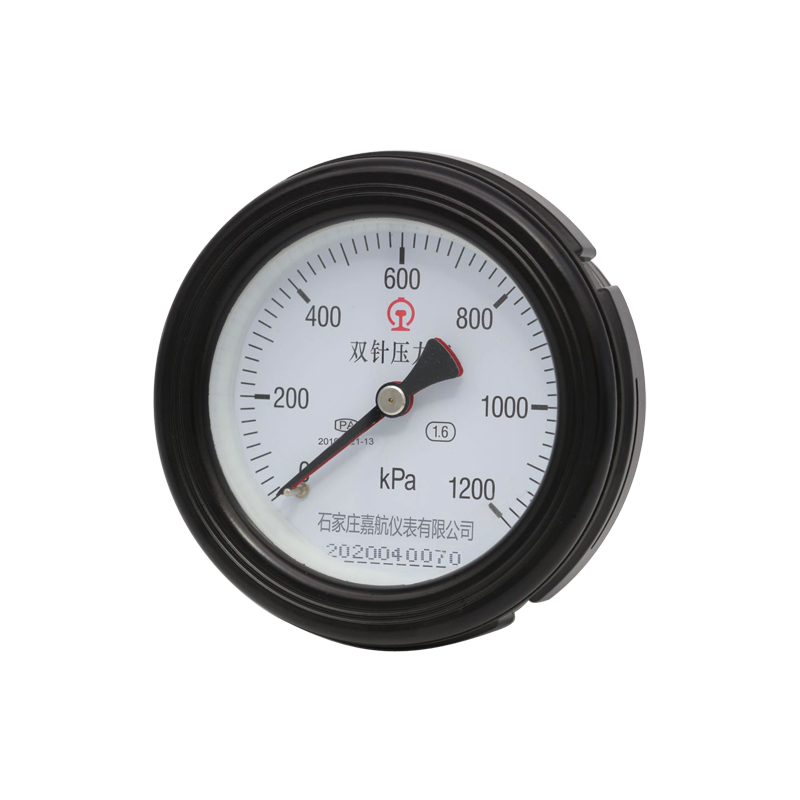
diaphragm seal differential pressure gauge exporter
Export Demand and Industry Growth
The global demand for diaphragm seal differential pressure gauges has witnessed significant growth due to increased industrialization and the rising need for advanced measurement technology. Exporters specializing in these instruments benefit from the growing automation in industries, which requires reliable and accurate pressure monitoring systems. Furthermore, the expansion of the oil and gas sector, along with the continuous development of chemical and pharmaceutical industries, has spurred the demand for high-quality instrumentation products.
Advantages of Using Diaphragm Seal Differential Pressure Gauges
1. Protection from Contaminants The diaphragm seal protects the sensing element from corrosive and viscous fluids, ensuring longevity and reliability. 2. Accurate Measurement These gauges provide precise differential pressure readings, which are essential for process control and efficiency. 3. Wide Range of Applications Their adaptability makes them suitable for various industries, from food processing to chemical manufacturing.
4. Enhanced Durability The robust design enhances the overall durability of the gauge, reducing the need for frequent replacements and maintenance.
Conclusion
Diaphragm seal differential pressure gauges are indispensable tools in modern industrial applications. Their unique design and versatility allow for accurate pressure monitoring, contributing to the efficiency and safety of processes across various sectors. As globalization continues to drive market expansion, exporters are well-positioned to meet the growing demand for these critical instruments, providing advanced solutions that facilitate optimal operation and compliance in diverse industrial environments.
-
High-Quality Pressure Gauge on Fire Extinguisher - Reliable Water Fire Extinguisher Pressure Gauge Suppliers & Exporters
NewsJul.08,2025
-
High-Quality Water Pressure Differential and Gauge Kit Reliable Manufacturers & Competitive Quotes
NewsJul.08,2025
-
High-Precision Digital Diaphragm Pressure Gauge – Reliable Manufacturer & Competitive Quotes
NewsJul.07,2025
-
Wholesale Diaphragm Pressure Gauge Supplier - Premium Quality & Competitive Price
NewsJul.07,2025
-
Digital Diaphragm Pressure Gauge Reliable & Precise Measurement Top Manufacturers Quotes
NewsJul.06,2025
-
High Accuracy Piston Type Differential Pressure Gauge - Reliable Manufacturers & Competitive Quotes
NewsJul.06,2025
 English
  Arabic
  China
China  China (Taiwan)
  Danish
  Dutch
Dutch  French
  German
  Greek
Greek  Hindi
Hindi  Indonesian
  Italian
  Japanese
  Korean
  Latin
Latin  Polish
  Portuguese
  Russian
  Spanish
  Turkish