

Jun . 18, 2024 03:20 Back to list
Water fire extinguisher pressure gauge products can be rephrased as Products for water-based fire extinguishers with pressure gauges.
Understanding Water Fire Extinguishers and the Importance of Pressure Gauges
Water fire extinguishers, an essential tool in fire safety, play a vital role in controlling and extinguishing Class A fires, which involve ordinary combustibles like wood, paper, and cloth. These extinguishers rely on the power of water to cool down flames and prevent re-ignition. However, their effectiveness is largely dependent on one critical component the pressure gauge.
A water fire extinguisher's pressure gauge is a simple yet crucial device that monitors the operational readiness of the unit. It is typically located on the top or side of the extinguisher, with a dial that indicates the pressure within the cylinder. The gauge has two main zones - green and red. If the needle is in the green zone, it signifies that the extinguisher is fully charged and ready for use. Conversely, if it's in the red, it means the pressure is either too low, indicating a recharge is needed, or too high, suggesting possible damage or overcharging.
Pressure gauges are not merely aesthetic additions; they serve as a visual indicator of the extinguisher's functionality. Regular inspection of these gauges is necessary to ensure the extinguisher will perform when called upon. In emergency situations, a fire extinguisher with insufficient pressure may not release the water effectively, rendering it useless against a blazing fire In emergency situations, a fire extinguisher with insufficient pressure may not release the water effectively, rendering it useless against a blazing fire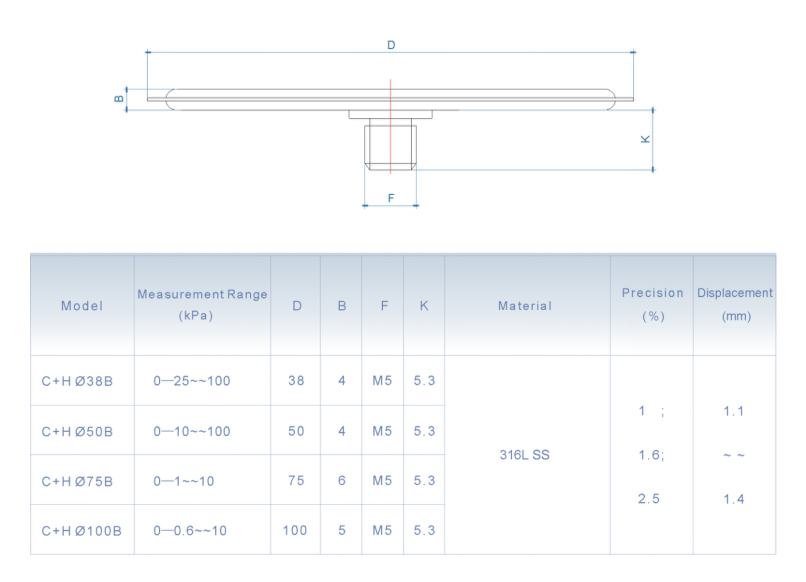 In emergency situations, a fire extinguisher with insufficient pressure may not release the water effectively, rendering it useless against a blazing fire In emergency situations, a fire extinguisher with insufficient pressure may not release the water effectively, rendering it useless against a blazing firewater fire extinguisher pressure gauge products.
Moreover, it's important to note that water fire extinguishers are not suitable for all types of fires. They should never be used on Class B (flammable liquids), C (electrical), D (combustible metals), or K (kitchen fires) as water can actually fuel these fires or create electrocution risks. Therefore, understanding the pressure gauge and its implications is key to proper fire safety management.
When selecting a water fire extinguisher, consider the quality of the pressure gauge. High-quality gauges are built to withstand harsh conditions, provide accurate readings, and last longer. Regular maintenance, including annual professional checks, is also recommended to maintain the integrity of the gauge and the overall efficiency of the extinguisher.
In conclusion, a water fire extinguisher's pressure gauge is a small but significant component that ensures the extinguisher is in prime working condition. It serves as a frontline defense against potential fires, providing peace of mind and potentially saving lives and property. Remember, prevention is always better than cure, and a well-maintained fire extinguisher, with a properly functioning pressure gauge, is a powerful preventive measure.
In emergency situations, a fire extinguisher with insufficient pressure may not release the water effectively, rendering it useless against a blazing fire In emergency situations, a fire extinguisher with insufficient pressure may not release the water effectively, rendering it useless against a blazing firewater fire extinguisher pressure gauge products.
Moreover, it's important to note that water fire extinguishers are not suitable for all types of fires. They should never be used on Class B (flammable liquids), C (electrical), D (combustible metals), or K (kitchen fires) as water can actually fuel these fires or create electrocution risks. Therefore, understanding the pressure gauge and its implications is key to proper fire safety management.
When selecting a water fire extinguisher, consider the quality of the pressure gauge. High-quality gauges are built to withstand harsh conditions, provide accurate readings, and last longer. Regular maintenance, including annual professional checks, is also recommended to maintain the integrity of the gauge and the overall efficiency of the extinguisher.
In conclusion, a water fire extinguisher's pressure gauge is a small but significant component that ensures the extinguisher is in prime working condition. It serves as a frontline defense against potential fires, providing peace of mind and potentially saving lives and property. Remember, prevention is always better than cure, and a well-maintained fire extinguisher, with a properly functioning pressure gauge, is a powerful preventive measure.
In emergency situations, a fire extinguisher with insufficient pressure may not release the water effectively, rendering it useless against a blazing fire In emergency situations, a fire extinguisher with insufficient pressure may not release the water effectively, rendering it useless against a blazing firewater fire extinguisher pressure gauge products.
Moreover, it's important to note that water fire extinguishers are not suitable for all types of fires. They should never be used on Class B (flammable liquids), C (electrical), D (combustible metals), or K (kitchen fires) as water can actually fuel these fires or create electrocution risks. Therefore, understanding the pressure gauge and its implications is key to proper fire safety management.
When selecting a water fire extinguisher, consider the quality of the pressure gauge. High-quality gauges are built to withstand harsh conditions, provide accurate readings, and last longer. Regular maintenance, including annual professional checks, is also recommended to maintain the integrity of the gauge and the overall efficiency of the extinguisher.
In conclusion, a water fire extinguisher's pressure gauge is a small but significant component that ensures the extinguisher is in prime working condition. It serves as a frontline defense against potential fires, providing peace of mind and potentially saving lives and property. Remember, prevention is always better than cure, and a well-maintained fire extinguisher, with a properly functioning pressure gauge, is a powerful preventive measure. Share
Latest news
-
High-Quality Pressure Gauge on Fire Extinguisher - Reliable Water Fire Extinguisher Pressure Gauge Suppliers & Exporters
NewsJul.08,2025
-
High-Quality Water Pressure Differential and Gauge Kit Reliable Manufacturers & Competitive Quotes
NewsJul.08,2025
-
High-Precision Digital Diaphragm Pressure Gauge – Reliable Manufacturer & Competitive Quotes
NewsJul.07,2025
-
Wholesale Diaphragm Pressure Gauge Supplier - Premium Quality & Competitive Price
NewsJul.07,2025
-
Digital Diaphragm Pressure Gauge Reliable & Precise Measurement Top Manufacturers Quotes
NewsJul.06,2025
-
High Accuracy Piston Type Differential Pressure Gauge - Reliable Manufacturers & Competitive Quotes
NewsJul.06,2025
 English
  Arabic
  China
China  China (Taiwan)
  Danish
  Dutch
Dutch  French
  German
  Greek
Greek  Hindi
Hindi  Indonesian
  Italian
  Japanese
  Korean
  Latin
Latin  Polish
  Portuguese
  Russian
  Spanish
  Turkish