

Oct . 21, 2024 18:06 Back to list
diy differential pressure gauge factories
DIY Differential Pressure Gauge A Comprehensive Guide
In various industrial and laboratory applications, differential pressure gauges play a critical role in measuring pressure differences between two points. These devices are vital for monitoring processes like filtration, flow measurements, and HVAC systems. For hobbyists and small-scale engineers, creating a DIY differential pressure gauge can be an enlightening project. This article provides insights into the materials needed, the working principle, and a simple method to build your own gauge.
Understanding Differential Pressure
Before diving into the construction of a differential pressure gauge, it’s essential to comprehend what it is and how it functions. A differential pressure gauge measures the difference in pressure between two inputs. Depending on the application, these inputs can be connected to various sources of pressure, such as filters or pumps. The gauge gives a reading that indicates whether the system is working optimally or if maintenance is needed.
Materials Needed
To create a simple DIY differential pressure gauge, you will need the following materials
1. Source of Pressure This could be an air pump or any equipment that generates pressure. 2. Two pressure sensors These can be purchased from electronic component suppliers or salvaged from old devices. 3. Microcontroller An Arduino or Raspberry Pi can be used to read the sensor values and calculate the differential pressure. 4. Display unit An LCD or LED display can be used to show the measurements. 5. Connecting tubes Ensure you have adequate tubing to connect your sensors to the pressure sources. 6. Power Supply Depending on your microcontroller and sensors, ensure you have the correct voltage source.
diy differential pressure gauge factories
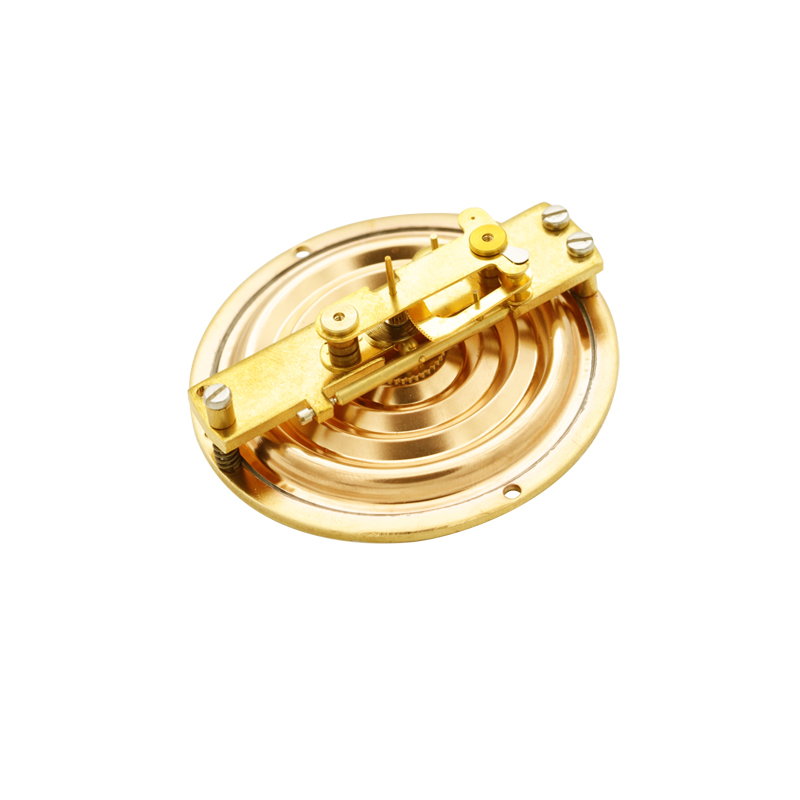
Building the Gauge
Once you have gathered all necessary materials, you can start assembling your gauge.
1. Connect the Sensors Attach each pressure sensor to the respective pressure inputs. Be mindful of the orientation and sealing to prevent leaks. 2. Programming the Microcontroller Write a simple program using the Arduino IDE or the language supported by your microcontroller that reads data from both pressure sensors. The code should include calculations to find the difference between these two readings.
3. Display the Results Integrate the display unit into your circuit. The microcontroller should output the differential pressure value to the display, allowing real-time monitoring.
4. Testing After all components are connected and programmed, conduct a dry run to ensure that all components function correctly. You may want to simulate varying pressure conditions to test the responsiveness and accuracy of your gauge.
Conclusion
Creating a DIY differential pressure gauge is not just an educational project; it can also empower you to understand pressure dynamics in various applications. While commercially available gauges are often more precise and rugged, building your own offers a unique insight into the principles of pressure measurement. This project enhances your skills in electronics, programming, and practical problem-solving, making it both a valuable and rewarding experience. With the right materials and determination, you can develop a functioning gauge that meets your needs. Happy building!
-
High-Quality Pressure Gauge on Fire Extinguisher - Reliable Water Fire Extinguisher Pressure Gauge Suppliers & Exporters
NewsJul.08,2025
-
High-Quality Water Pressure Differential and Gauge Kit Reliable Manufacturers & Competitive Quotes
NewsJul.08,2025
-
High-Precision Digital Diaphragm Pressure Gauge – Reliable Manufacturer & Competitive Quotes
NewsJul.07,2025
-
Wholesale Diaphragm Pressure Gauge Supplier - Premium Quality & Competitive Price
NewsJul.07,2025
-
Digital Diaphragm Pressure Gauge Reliable & Precise Measurement Top Manufacturers Quotes
NewsJul.06,2025
-
High Accuracy Piston Type Differential Pressure Gauge - Reliable Manufacturers & Competitive Quotes
NewsJul.06,2025
 English
  Arabic
  China
China  China (Taiwan)
  Danish
  Dutch
Dutch  French
  German
  Greek
Greek  Hindi
Hindi  Indonesian
  Italian
  Japanese
  Korean
  Latin
Latin  Polish
  Portuguese
  Russian
  Spanish
  Turkish