

Nov . 10, 2024 19:22 Back to list
Static Pressure Differential Gauge Solutions from Leading Industry Providers
Understanding Static and Differential Pressure Gauges A Comprehensive Overview
In the realm of industrial measurement technology, static and differential pressure gauges play critical roles in monitoring and controlling systems across various sectors. These devices facilitate the accurate measurement of pressure in different mediums, enabling operators to ensure optimal performance and safety in processes. This article delves into the characteristics, applications, and importance of static and differential pressure gauges, as well as highlights leading companies in this field.
What Are Static and Differential Pressure Gauges?
Static pressure gauges measure the pressure of a stationary fluid at a specific point, providing crucial data for various applications, including fluid dynamics, HVAC systems, and numerous manufacturing processes. The static pressure is indicative of the force exerted by the fluid when it is at rest, allowing engineers to assess system performance and efficiency.
On the other hand, differential pressure gauges measure the difference in pressure between two points within a system. This type of measurement is vital in applications where the flow characteristics of fluids are crucial, such as in filtration systems, flow monitoring, and HVAC applications. By assessing the pressure drop across filters, for instance, operators can determine the need for maintenance or replacement, thereby enhancing system reliability and efficiency.
Applications of Static and Differential Pressure Gauges
1. Oil and Gas Industry These gauges are extensively used in extraction, transportation, and refining processes. They monitor the pressure of pipelines and storage tanks to ensure safe operations and compliance with regulatory standards.
2. Water and Wastewater Treatment In municipal and industrial water systems, static and differential pressure gauges are integral to monitoring water pressure to optimize treatment processes and prevent leaks or failures.
3. Manufacturing Many production processes require precise pressure readings to maintain product quality. Differential pressure gauges, in particular, are used to monitor filters and other equipment, ensuring the operational efficiency of production lines.
4. HVAC Systems Both static and differential pressure gauges help in monitoring airflow and duct pressure in heating, ventilation, and air conditioning systems. This monitoring aids in maintaining air quality and energy efficiency.
5. Pharmaceutical and Food Industries These sectors demand stringent control of environmental conditions. Pressure gauges ensure that processes remain within specified limits, safeguarding product integrity and compliance with health regulations.
Importance of Accurate Pressure Measurement
static pressure differential pressure gauge company
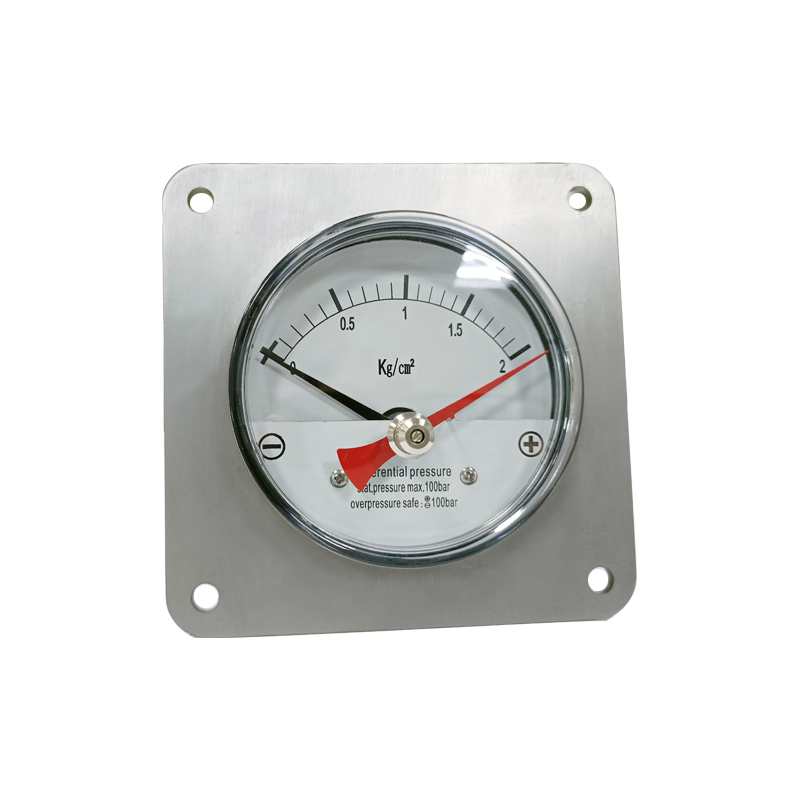
Accurate pressure measurement is essential for several reasons. First and foremost, it contributes to safety. Monitoring pressures helps prevent system failures that could lead to leaks, explosions, or other hazardous situations. Secondly, precise measurements improve efficiency, allowing systems to operate optimally while reducing waste and energy consumption. Regular monitoring can also lead to cost savings by avoiding unplanned maintenance and downtime.
Choosing the Right Pressure Gauge
Selecting the appropriate pressure gauge is crucial for achieving reliable measurements. Factors to consider include the type of fluid being measured (liquid or gas), the expected pressure range, the required accuracy, and environmental conditions (e.g., temperature and humidity). Additionally, the gauge’s compatibility with system materials and its ease of installation and maintenance are key considerations.
Leading Companies in the Pressure Gauge Industry
Several companies have established themselves as leaders in the manufacturing of static and differential pressure gauges. These companies are recognized for their innovative solutions, quality products, and commitment to customer service
1. Honeywell Known for its diverse range of pressure measurement solutions, Honeywell provides both static and differential pressure gauges used in various industries.
2. WIKA A global leader in pressure and temperature measurement, WIKA offers a wide array of pressure gauges renowned for their accuracy and reliability.
3. Ashcroft This company specializes in manufacturing pressure gauges and is known for its extensive portfolio, including options for harsh environments.
4. Omega Engineering Omega provides a variety of pressure measurement devices, including electronic and mechanical pressure gauges, catering to industrial and laboratory applications.
5. Bourdon A pioneer in pressure measurement technology, Bourdon offers innovative solutions tailored for specific industry needs, emphasizing customization and precision.
Conclusion
Static and differential pressure gauges are vital tools in maintaining the safety, efficiency, and reliability of various industrial processes. By accurately monitoring pressure, these devices help prevent costly failures and ensure compliance with safety standards. As industries continue to evolve, the development of advanced pressure measurement technologies will undoubtedly support better management of complex systems, highlighting the indispensable role of these gauges in modern engineering.
-
Understanding Digital Precision Pressure Gauge Technology and Applications
NewsFeb.24,2026
-
High-Quality Pressure Gauge on Fire Extinguisher - Reliable Water Fire Extinguisher Pressure Gauge Suppliers & Exporters
NewsJul.08,2025
-
High-Quality Water Pressure Differential and Gauge Kit Reliable Manufacturers & Competitive Quotes
NewsJul.08,2025
-
High-Precision Digital Diaphragm Pressure Gauge – Reliable Manufacturer & Competitive Quotes
NewsJul.07,2025
-
Wholesale Diaphragm Pressure Gauge Supplier - Premium Quality & Competitive Price
NewsJul.07,2025
-
Digital Diaphragm Pressure Gauge Reliable & Precise Measurement Top Manufacturers Quotes
NewsJul.06,2025
 English
  Arabic
  China
China  China (Taiwan)
  Danish
  Dutch
Dutch  French
  German
  Greek
Greek  Hindi
Hindi  Indonesian
  Italian
  Japanese
  Korean
  Latin
Latin  Polish
  Portuguese
  Russian
  Spanish
  Turkish