

Nov . 10, 2024 16:39 Back to list
Understanding Pressure Gauges on Fire Extinguishers for Safety and Maintenance
Understanding the Pressure Gauge on Fire Extinguishers
Fire safety is a critical aspect of modern life, and one of the most essential tools in fire prevention and control is the fire extinguisher. However, a fire extinguisher is only effective if it is properly maintained and ready for use. One crucial component in ensuring that a fire extinguisher is operational is the pressure gauge, which often appears as a small dial or indicator on the body of the extinguisher. Understanding how to read and interpret this gauge can make a significant difference in an emergency.
Understanding the Pressure Gauge on Fire Extinguishers
In contrast, color-coded indicators usually consist of a series of colored zones (green, yellow, and red) to convey the extinguisher’s status. The green zone represents an acceptable pressure range, while the yellow indicates caution, and the red shows that maintenance or replacement is necessary. Regardless of the type of gauge, familiarity with these readings is essential for ensuring that fire extinguishers are always operable.
pressure gauge on fire extinguisher jah
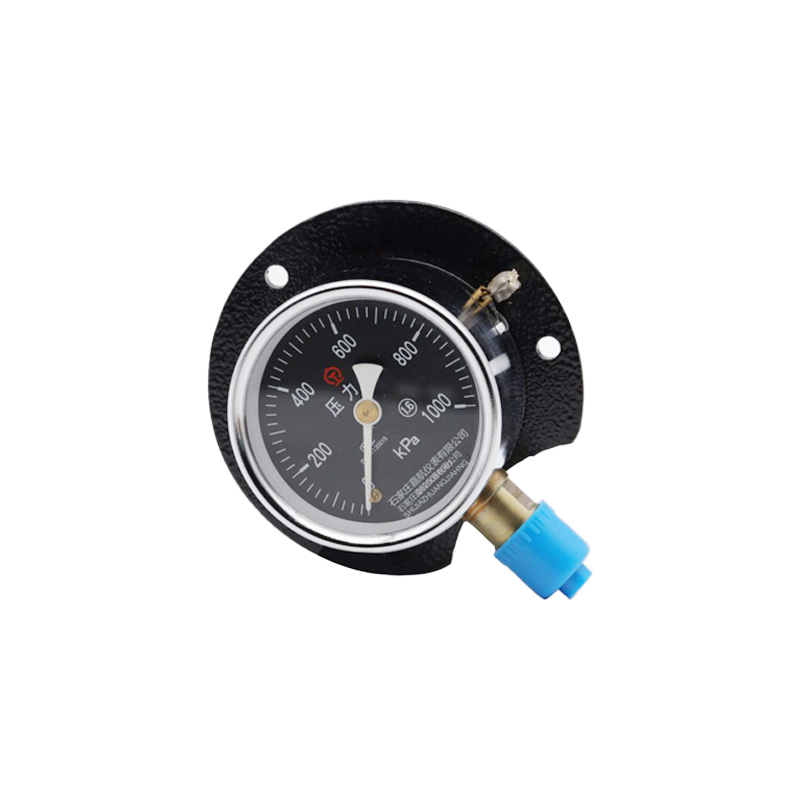
Regular inspection of fire extinguishers is vital for safety. The National Fire Protection Association (NFPA) recommends that fire extinguishers be inspected monthly to check for visible damage, corrosion, leakage, or any other signs of disrepair. During these inspections, individuals should also check the pressure gauge. A functional gauge will give peace of mind that the extinguisher can effectively combat a fire if the need arises.
If a gauge indicates that the extinguisher is defective (showing low or high pressure), it is imperative to take action—either by recharging the extinguisher if it is low on pressure or having it serviced by a professional if it is over-pressurized. In some cases, it may be necessary to replace the extinguisher altogether, especially if it is past its expiration date or has been used in a fire.
When storing fire extinguishers, it is crucial to place them in easily accessible locations, away from potential hazards that could obstruct access during an emergency. Additionally, they should be mounted in a vertical position and situated at a height that can be easily reached.
In conclusion, the pressure gauge on a fire extinguisher is an essential feature that ensures readiness and effectiveness in emergencies. Understanding how to read and interpret this gauge can save lives and property. Regular inspections and maintenance of fire extinguishers should be prioritized by both homeowners and businesses alike. Effective fire safety measures, including proper training in using fire extinguishers, can contribute to a safer environment, ultimately reducing the risks associated with fires. Always remember that in the face of fire, preparation and knowledge are your best defenses.
-
High-Quality Pressure Gauge on Fire Extinguisher - Reliable Water Fire Extinguisher Pressure Gauge Suppliers & Exporters
NewsJul.08,2025
-
High-Quality Water Pressure Differential and Gauge Kit Reliable Manufacturers & Competitive Quotes
NewsJul.08,2025
-
High-Precision Digital Diaphragm Pressure Gauge – Reliable Manufacturer & Competitive Quotes
NewsJul.07,2025
-
Wholesale Diaphragm Pressure Gauge Supplier - Premium Quality & Competitive Price
NewsJul.07,2025
-
Digital Diaphragm Pressure Gauge Reliable & Precise Measurement Top Manufacturers Quotes
NewsJul.06,2025
-
High Accuracy Piston Type Differential Pressure Gauge - Reliable Manufacturers & Competitive Quotes
NewsJul.06,2025
 English
  Arabic
  China
China  China (Taiwan)
  Danish
  Dutch
Dutch  French
  German
  Greek
Greek  Hindi
Hindi  Indonesian
  Italian
  Japanese
  Korean
  Latin
Latin  Polish
  Portuguese
  Russian
  Spanish
  Turkish