

Aug . 28, 2024 16:19 Back to list
pressure gauge with diaphragm seal and manifold factory
Understanding Pressure Gauges with Diaphragm Seals and Manifolds
Pressure gauges are essential instruments used across various industries to measure the pressure of gases and liquids. Among the different types of pressure gauges available, those equipped with diaphragm seals and manifolds are particularly valued for their accuracy and reliability in demanding environments.
A diaphragm seal is a device that separates the pressure-sensing element of the gauge from the process fluid. This separation is crucial when dealing with corrosive or viscous fluids that could damage traditional pressure gauges. The diaphragm, typically made of materials resistant to corrosion, flexes in response to pressure changes, allowing for accurate measurements without direct contact with the fluid. This design not only prolongs the lifespan of the gauge but also ensures the safety of the working environment.
Manifolds play a complementary role in this setup. They serve multiple purposes, including isolating the pressure gauge from the process system, allowing for calibration or maintenance without interrupting the process flow, and providing a convenient means of venting or draining the system. The combination of diaphragm seals and manifolds creates a robust system capable of handling harsh conditions while delivering precise pressure readings.
pressure gauge with diaphragm seal and manifold factory
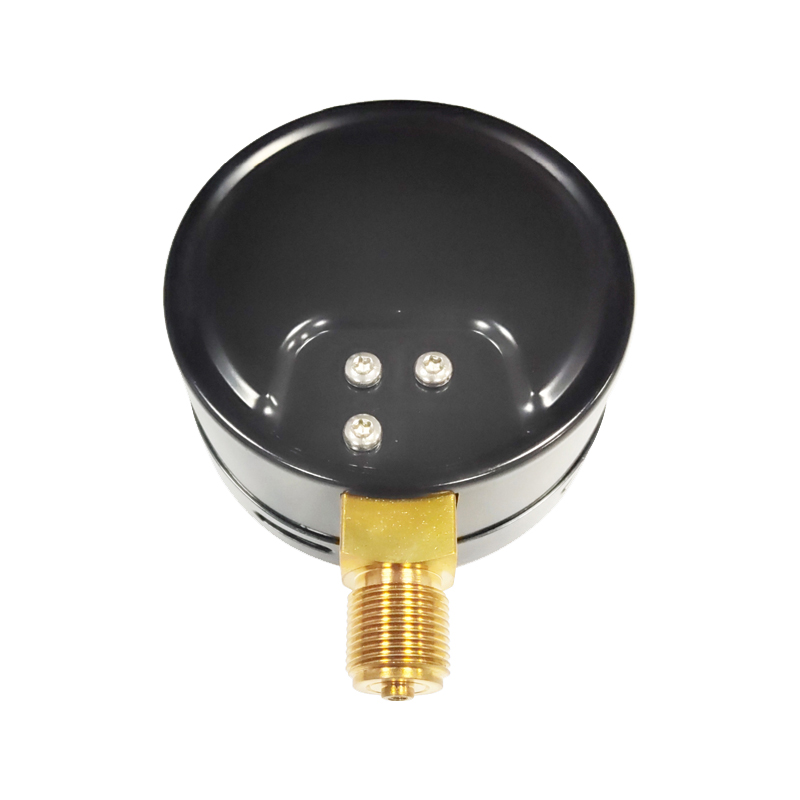
When selecting a pressure gauge with a diaphragm seal and manifold, several factors must be considered. First, the material compatibility between the diaphragm and the process fluid is critical. Common materials for diaphragms include stainless steel, Hastelloy, and various elastomers, each suited for different applications. Secondly, the gauge's range and accuracy must match the specific pressures encountered in the application. Overestimating or underestimating the required specifications can lead to measurement errors or equipment failure.
In terms of applications, these pressure gauges are widely used in the chemical, pharmaceutical, oil and gas, and food industries. In each of these fields, maintaining the integrity of the fluid being measured is paramount. The combination of diaphragm seals and manifolds ensures that operators can trust the readings provided and make informed decisions based on reliable data.
In conclusion, pressure gauges with diaphragm seals and manifolds represent an essential component of modern industrial measurement systems. Their ability to withstand harsh conditions and provide accurate readings makes them indispensable in ensuring safety and efficiency in various processes. By understanding their functionality and considerations for selection, industries can optimize their systems for better performance and reliability.
-
High-Quality Pressure Gauge on Fire Extinguisher - Reliable Water Fire Extinguisher Pressure Gauge Suppliers & Exporters
NewsJul.08,2025
-
High-Quality Water Pressure Differential and Gauge Kit Reliable Manufacturers & Competitive Quotes
NewsJul.08,2025
-
High-Precision Digital Diaphragm Pressure Gauge – Reliable Manufacturer & Competitive Quotes
NewsJul.07,2025
-
Wholesale Diaphragm Pressure Gauge Supplier - Premium Quality & Competitive Price
NewsJul.07,2025
-
Digital Diaphragm Pressure Gauge Reliable & Precise Measurement Top Manufacturers Quotes
NewsJul.06,2025
-
High Accuracy Piston Type Differential Pressure Gauge - Reliable Manufacturers & Competitive Quotes
NewsJul.06,2025
 English
  Arabic
  China
China  China (Taiwan)
  Danish
  Dutch
Dutch  French
  German
  Greek
Greek  Hindi
Hindi  Indonesian
  Italian
  Japanese
  Korean
  Latin
Latin  Polish
  Portuguese
  Russian
  Spanish
  Turkish