

Nov . 23, 2024 18:55 Back to list
differential pressure gauge fluke products
Understanding Differential Pressure Gauges A Focus on Fluke Products
In various industrial applications, accurate measurement of pressure is crucial for operational efficiency, safety, and regulatory compliance. One essential device in this realm is the differential pressure gauge. Among the leading manufacturers of these instruments is Fluke, known for its commitment to precision and reliability.
What is a Differential Pressure Gauge?
A differential pressure gauge measures the difference in pressure between two points in a system. This measurement can be critical for many processes, as it helps monitor the performance of filters, pumps, and other equipment. In industries such as HVAC, pharmaceuticals, food and beverage, and water treatment, maintaining the right pressure is vital for ensuring quality and safety.
How Differential Pressure Gauges Work
These gauges operate by comparing the pressure of two points, typically an inlet and an outlet. When the pressure changes, the gauge displays this difference, allowing operators to make informed decisions based on real-time data. Differential pressure is commonly measured in units like psi (pounds per square inch), bar, or Pascal, depending on the application requirements.
Differential pressure gauges can be mechanical or electronic. Mechanical gauges, which utilize diaphragms or Bourdon tubes, are often employed in less precise applications. In contrast, electronic models, such as those produced by Fluke, provide higher accuracy and can feature advanced functionalities like digital displays, data logging, and connectivity options.
The Importance of Differential Pressure Measurement
1. System Monitoring In HVAC systems, for example, measuring the differential pressure across filters can indicate when they are clogged and need maintenance. This proactive approach prevents system inefficiencies and avoids costly breakdowns.
2. Flow Measurement In various processes, maintaining a specific flow rate is essential. Differential pressure gauges allow for accurate flow measurements, assisting in maintaining optimal process conditions.
3. Safety Many industrial processes involve hazardous materials. Monitoring differential pressure can help prevent dangerous situations, such as leaks or explosions, ensuring that pressure levels remain within safe limits.
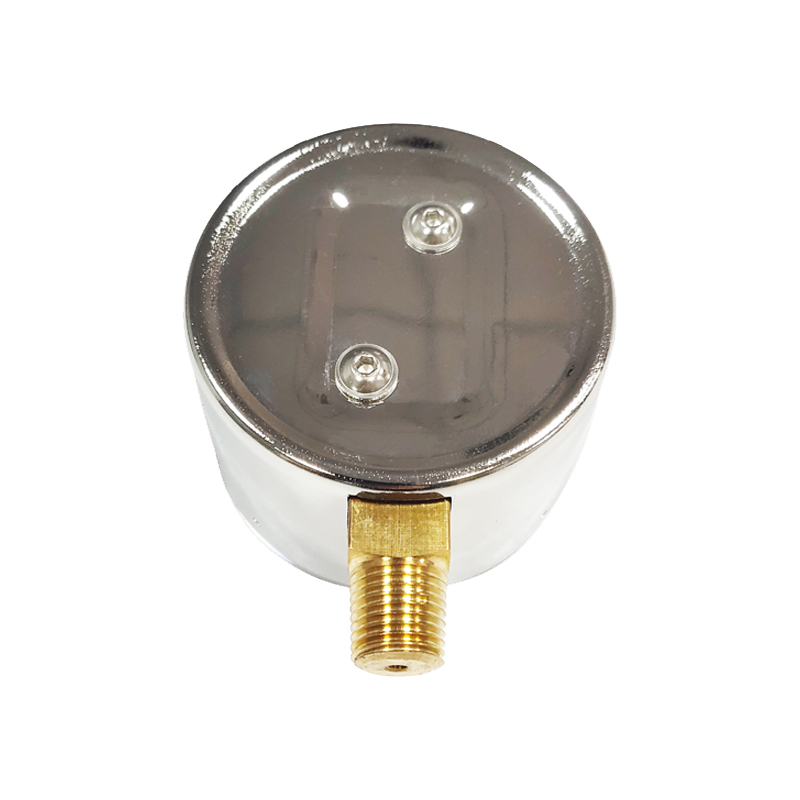
differential pressure gauge fluke products
4. Regulatory Compliance Industries often face stringent regulations regarding safety and environmental impacts. Accurate pressure measurements are crucial for compliance with these standards, making differential pressure gauges indispensable tools.
Fluke Differential Pressure Gauges
Fluke's range of differential pressure gauges stands out in terms of quality, durability, and user-friendliness. Known for its rigorous manufacturing standards, Fluke products deliver precision that professionals can trust. Here are a few notable features of Fluke differential pressure gauges
1. High Accuracy Fluke gauges are designed for precision, with many models offering accuracy within a small fraction of the measurement range. This reliability is critical in applications where minute pressure changes can have significant implications.
2. Robust Design Built to withstand tough industrial environments, Fluke gauges are often rated for high resistance to shock, vibration, and temperature extremes, ensuring longevity and consistent performance.
3. User-Friendly Interface Many Fluke gauges feature intuitive interfaces with easy-to-read displays, making it simple for users to navigate settings and interpret data quickly.
4. Data Logging Capability Some models come with built-in data logging features, allowing users to record pressure changes over time. This functionality is invaluable for trend analysis and troubleshooting.
5. Versatile Measurement Ranges Fluke offers a variety of models with different measurement ranges, ensuring that users can find a product that suits their specific application, whether it’s low-pressure HVAC systems or high-pressure industrial processes.
Conclusion
Differential pressure gauges are crucial tools in many industries, facilitating system monitoring, safety, and regulatory adherence. Fluke's commitment to quality and innovation makes its differential pressure gauges a preferred choice for professionals around the world. By investing in reliable measurement tools, organizations can enhance efficiency, reduce downtime, and ensure compliance with critical safety standards. Whether you work in HVAC, manufacturing, or any other field that relies on pressure measurement, understanding and utilizing differential pressure gauges from Fluke can significantly impact your operational success.
-
High-Quality Pressure Gauge on Fire Extinguisher - Reliable Water Fire Extinguisher Pressure Gauge Suppliers & Exporters
NewsJul.08,2025
-
High-Quality Water Pressure Differential and Gauge Kit Reliable Manufacturers & Competitive Quotes
NewsJul.08,2025
-
High-Precision Digital Diaphragm Pressure Gauge – Reliable Manufacturer & Competitive Quotes
NewsJul.07,2025
-
Wholesale Diaphragm Pressure Gauge Supplier - Premium Quality & Competitive Price
NewsJul.07,2025
-
Digital Diaphragm Pressure Gauge Reliable & Precise Measurement Top Manufacturers Quotes
NewsJul.06,2025
-
High Accuracy Piston Type Differential Pressure Gauge - Reliable Manufacturers & Competitive Quotes
NewsJul.06,2025
 English
  Arabic
  China
China  China (Taiwan)
  Danish
  Dutch
Dutch  French
  German
  Greek
Greek  Hindi
Hindi  Indonesian
  Italian
  Japanese
  Korean
  Latin
Latin  Polish
  Portuguese
  Russian
  Spanish
  Turkish