

Nov . 04, 2024 18:27 Back to list
Custom Static Pressure Settings for Enhanced Differential Pressure Gauge Performance
Understanding Custom Static Pressure for Differential Pressure Gauges
Differential pressure gauges are vital instruments extensively used in various industries, from HVAC systems to pharmaceuticals and chemical processing, for measuring the pressure difference between two points in a system. Within this context, the concept of custom static pressure is crucial, as it directly influences the accuracy and reliability of these gauges.
What is Differential Pressure?
Differential pressure (DP) refers to the difference in pressure between two points. This measurement is essential in assessing system performance, identifying blockages, and ensuring the efficient operation of processing equipment. Differential pressure gauges can display this difference clearly, allowing operators to make informed decisions about system maintenance and troubleshooting.
The Role of Static Pressure
When discussing differential pressure, it is important to also consider static pressure. Static pressure is the pressure exerted by a fluid at rest. In many applications, knowing the static pressure in conjunction with differential pressure provides a more complete understanding of the system's dynamics. Such insights are key for processes like filtration, where the pressure drop across a filter can indicate its condition and need for replacement.
The Need for Custom Static Pressure Settings
In different operating environments, the standard range of pressure readings may not be sufficient. This necessitates the use of custom static pressure settings tailored to specific application needs. Custom static pressure configurations allow for improved accuracy and performance in varied conditions, catering to unique operational requirements.
Several factors might necessitate these custom settings
1. Fluid Type The properties of the fluid being measured can significantly impact both static and differential pressure readings. For example, gases, liquids, or slurries behave differently under pressure changes, demanding specific calibration to ensure accurate measurements.
custom static pressure for differential pressure gauge
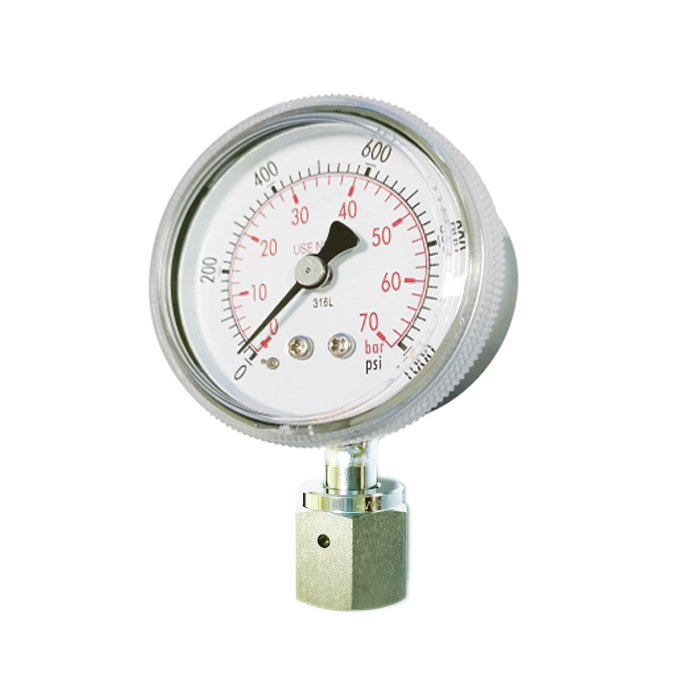
2. Operating Environment Variations in temperature, altitude, and humidity can influence pressure readings. By customizing static pressure settings, manufacturers can ensure that their gauges will perform reliably under specific environmental conditions.
3. System Design Complex systems often require precise measurements that standard gauges cannot offer. Custom configurations enable engineers to align the specifications of the gauge more closely with the design parameters of the system in which it is being integrated.
4. Measurement Range In scenarios where pressure differences are exceedingly high or low, selection of a gauge with the appropriate static pressure range becomes vital. Custom settings provide the flexibility needed to accommodate these extremes, ensuring that the gauge operates effectively without risking damage or inaccuracy.
Implementing Custom Static Pressure Settings
To successfully implement a custom static pressure setting, three key steps should be followed
1. Assessment of Requirements Begin with a comprehensive assessment of the application. Gather data on the operating conditions, fluid characteristics, and any regulatory standards that must be adhered to.
2. Selection of Instruments Choose differential pressure gauges that can handle custom static pressure settings. It is crucial to consult with manufacturers who offer customizable options, as they can tailor the gauge specifications to meet your needs.
3. Calibration and Testing After installation, the gauge should undergo thorough calibration. Testing the gauge under actual operating conditions will assure its accuracy and reliability. Frequent recalibration may also be necessary to ensure ongoing performance, especially if there are fluctuations in the operating environment.
Conclusion
In essence, custom static pressure settings are integral to the functionality of differential pressure gauges across numerous industries. They enhance measurement accuracy, improve system performance, and ensure operational safety. By understanding and effectively implementing these custom pressure settings, businesses can optimize their processes and maintain high standards in operational efficiency. As industries continue to evolve with new technologies and methodologies, the importance of such customizations will only increase, providing a competitive edge in the marketplace.
-
High-Quality Pressure Gauge on Fire Extinguisher - Reliable Water Fire Extinguisher Pressure Gauge Suppliers & Exporters
NewsJul.08,2025
-
High-Quality Water Pressure Differential and Gauge Kit Reliable Manufacturers & Competitive Quotes
NewsJul.08,2025
-
High-Precision Digital Diaphragm Pressure Gauge – Reliable Manufacturer & Competitive Quotes
NewsJul.07,2025
-
Wholesale Diaphragm Pressure Gauge Supplier - Premium Quality & Competitive Price
NewsJul.07,2025
-
Digital Diaphragm Pressure Gauge Reliable & Precise Measurement Top Manufacturers Quotes
NewsJul.06,2025
-
High Accuracy Piston Type Differential Pressure Gauge - Reliable Manufacturers & Competitive Quotes
NewsJul.06,2025
 English
  Arabic
  China
China  China (Taiwan)
  Danish
  Dutch
Dutch  French
  German
  Greek
Greek  Hindi
Hindi  Indonesian
  Italian
  Japanese
  Korean
  Latin
Latin  Polish
  Portuguese
  Russian
  Spanish
  Turkish