

Oct . 03, 2024 01:49 Back to list
Top DIY Ideas for Creating Your Own Differential Pressure Gauge at Home
DIY Differential Pressure Gauge A Comprehensive Guide
In various industrial and laboratory settings, differential pressure gauges play a crucial role in measuring the pressure difference between two points. They are essential for applications such as monitoring air filter conditions, optimizing HVAC systems, and ensuring efficient operation of various equipment. However, high-quality differential pressure gauges can often be costly. For DIY enthusiasts and professionals alike, creating a differential pressure gauge can be both a rewarding and cost-effective solution. In this article, we will provide a detailed guide on how to make your own differential pressure gauge.
What You Need
Before you begin the construction of your differential pressure gauge, gather the following materials
1. Manometer Tubing You will need clear flexible tubing. This will serve as the conduit for the liquid used to measure pressure. 2. Liquid Common choices include water, colored water for visibility, or oil. Ensure that the liquid is non-corrosive and suitable for the pressure range expected. 3. U-Shaped Tube A U-shaped glass or plastic tube will act as the manometer. It should be clear enough to read the liquid level easily. 4. Pressure Ports These can be simple connectors that fit the tubing, which will be connected to the pressure points you want to measure. 5. Measuring Scale You can use a ruler or calibrate a scale on the side of the U-tube for accurate readings. 6. Sealing Materials Tape or sealant to ensure airtight connections.
Step-by-Step Instructions
Step 1 Prepare the U-Tube Manometer
Take your U-shaped tube and ensure it is clean and free from any obstructions. The length of the tube can vary depending on your needs, but a common length is around 1-2 feet.
Step 2 Attach the Tubing
Connect one end of the clear tubing to one pressure port at Point A, and the other end to Point B
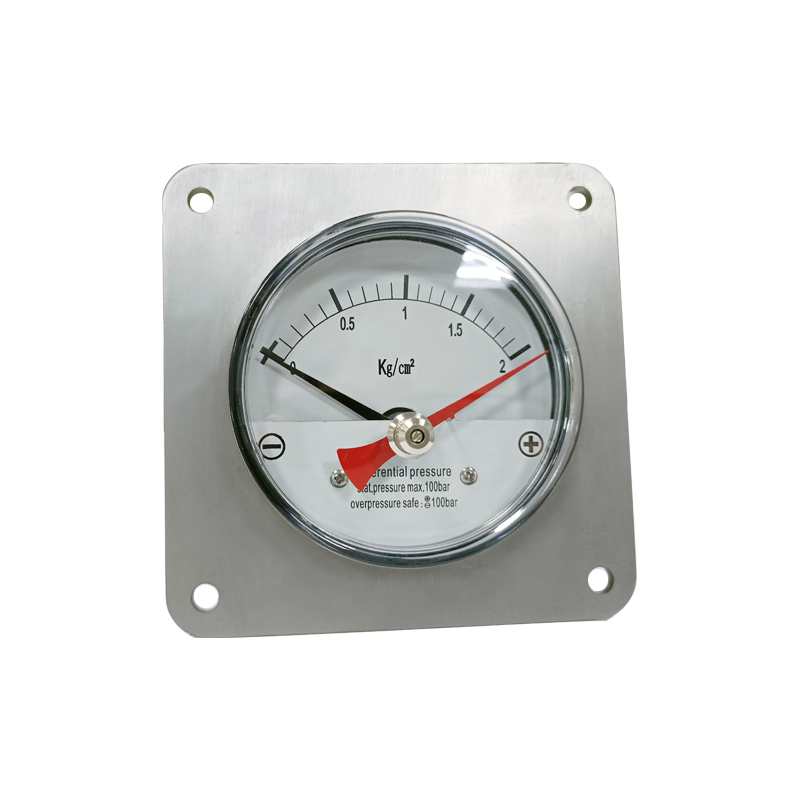
. Ensure there are no leaks, as this will affect your readings.best diy differential pressure gauge
Step 3 Filling the Manometer
Carefully fill the U-tube with your chosen liquid. Pour the liquid slowly into one side of the U-tube while ensuring there is no air trapped in the tubing. If necessary, tap the tube gently to help release any trapped air bubbles.
Step 4 Calibration
To ensure accuracy, calibrate your gauge by exposing it to known pressure differentials. This step will help you adjust the measuring scale accordingly, so you can translate liquid height differences into pressure readings.
Step 5 Testing the Differential Pressure Gauge
Once your manometer is assembled and calibrated, it’s ready for use. Attach the free open ends of the tubing to the points where you want to measure the differential pressure. Observe the liquid levels in the U-tube; the height difference indicates the pressure difference.
Maintenance and Tips
1. Monitor for Leaks Regularly check the connections to ensure no leaks are present. Even minor air leaks can lead to inaccurate readings. 2. Keep the Liquid Clean If using water as your measuring liquid, ensure it’s clean to prevent algae or impurity build-up. Consider using a non-evaporative liquid if you need long-term use. 3. Regular Calibration Regularly recalibrate your gauge, especially if it's used in varying environmental conditions.
Conclusion
Creating a DIY differential pressure gauge is an excellent way to save money while gaining a deeper understanding of pressure measurement. With minimal materials and some basic skills, you can build a reliable tool that serves multiple applications. Whether for personal projects, industrial applications, or educational purposes, a homemade differential pressure gauge can be both functional and satisfying to build. Happy measuring!
-
High-Quality Pressure Gauge on Fire Extinguisher - Reliable Water Fire Extinguisher Pressure Gauge Suppliers & Exporters
NewsJul.08,2025
-
High-Quality Water Pressure Differential and Gauge Kit Reliable Manufacturers & Competitive Quotes
NewsJul.08,2025
-
High-Precision Digital Diaphragm Pressure Gauge – Reliable Manufacturer & Competitive Quotes
NewsJul.07,2025
-
Wholesale Diaphragm Pressure Gauge Supplier - Premium Quality & Competitive Price
NewsJul.07,2025
-
Digital Diaphragm Pressure Gauge Reliable & Precise Measurement Top Manufacturers Quotes
NewsJul.06,2025
-
High Accuracy Piston Type Differential Pressure Gauge - Reliable Manufacturers & Competitive Quotes
NewsJul.06,2025
 English
  Arabic
  China
China  China (Taiwan)
  Danish
  Dutch
Dutch  French
  German
  Greek
Greek  Hindi
Hindi  Indonesian
  Italian
  Japanese
  Korean
  Latin
Latin  Polish
  Portuguese
  Russian
  Spanish
  Turkish