

Sep . 15, 2024 12:31 Back to list
air/water pressure gauge for fire protection service companies
Understanding Air and Water Pressure Gauges for Fire Protection Services
In the realm of fire protection, ensuring that systems are functional and ready to deploy in an emergency is paramount. A critical component in this domain is the air and water pressure gauge. These gauges play a vital role in monitoring and maintaining the pressure levels necessary for firefighting systems, such as sprinkler systems and standpipes, to operate effectively.
Fire protection service companies rely on accurate pressure readings to assess the operational readiness of their systems. Air pressure gauges are particularly important for dry pipe sprinkler systems, which are filled with pressurized air instead of water. When a fire occurs and the temperature rises, the air pressure drops, allowing water to flow into the system. Therefore, maintaining the correct air pressure is crucial for ensuring that the system activates promptly when needed. Regular inspections of air pressure gauges help identify potential issues before they escalate, ensuring that the fire protection systems function effectively during emergencies.
On the other hand, water pressure gauges are integral for both wet and dry fire protection systems. These gauges measure the water pressure in the pipes, ensuring that adequate pressure is available to deliver water to the designated areas during a fire. If the water pressure is too low, it can greatly diminish the system's effectiveness, potentially leading to catastrophic consequences in the event of a fire. Fire protection service companies utilize water pressure gauges to perform routine maintenance checks, ensuring that water flow is satisfactory and meets regulatory standards.
air/water pressure gauge for fire protection service companies
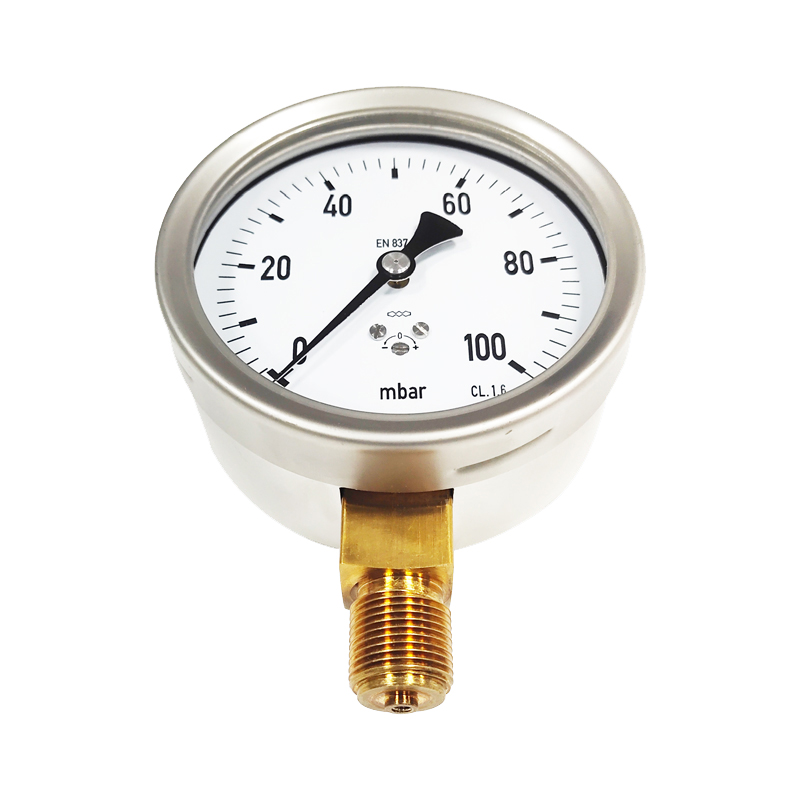
Moreover, understanding how to interpret these gauges is essential for technicians. Pressure readings should be taken both during routine maintenance and in response to any alarms or issues within the fire protection system. Technicians need to be trained to recognize signs of pressure discrepancies, which could indicate leaks, blockages, or mechanical failures. A thorough understanding of these indicators can assist in the timely identification of problems, minimizing downtime and enhancing safety.
Regular maintenance and calibration of air and water pressure gauges is also necessary to ensure their accuracy. Outdated or faulty gauges can lead to false readings, resulting in improper pressure management and inadequate fire protection responses. Fire protection service companies must adhere to scheduled maintenance protocols, which typically include checking and replacing gauges if necessary.
In conclusion, air and water pressure gauges are indispensable tools for fire protection service companies. They ensure that fire protection systems are adequately charged and ready to operate in the event of a fire. Properly functioning gauges improve the reliability of these systems, ultimately contributing to the safety of occupants in residential, commercial, and industrial settings. Fire protection service companies must prioritize the maintenance, calibration, and understanding of these gauges to assure their functionality and uphold the highest safety standards. By doing so, they can effectively safeguard lives and property against the devastating effects of fire.
-
High-Quality Pressure Gauge on Fire Extinguisher - Reliable Water Fire Extinguisher Pressure Gauge Suppliers & Exporters
NewsJul.08,2025
-
High-Quality Water Pressure Differential and Gauge Kit Reliable Manufacturers & Competitive Quotes
NewsJul.08,2025
-
High-Precision Digital Diaphragm Pressure Gauge – Reliable Manufacturer & Competitive Quotes
NewsJul.07,2025
-
Wholesale Diaphragm Pressure Gauge Supplier - Premium Quality & Competitive Price
NewsJul.07,2025
-
Digital Diaphragm Pressure Gauge Reliable & Precise Measurement Top Manufacturers Quotes
NewsJul.06,2025
-
High Accuracy Piston Type Differential Pressure Gauge - Reliable Manufacturers & Competitive Quotes
NewsJul.06,2025
 English
  Arabic
  China
China  China (Taiwan)
  Danish
  Dutch
Dutch  French
  German
  Greek
Greek  Hindi
Hindi  Indonesian
  Italian
  Japanese
  Korean
  Latin
Latin  Polish
  Portuguese
  Russian
  Spanish
  Turkish